Patzcuaro Day Trips
For those who don’t know me well, I was born and raised in Portland, Oregon and lived most of my life in San Francisco/Oakland. Basically, everything West Coast is new. It is hard to find anything built before 1900. In addition to being new and young, people seem to be hyper-focused on the future and not big on preserving the historical past. Another little-known fact about me is that I have a double major, History and Journalism/Advertising. I studied journalism as a career choice, but I have always been fascinated by history. Given my own personal history, it was really hard to wrap my head around the ancient history of Mexico. Not only is Mexico rich in indigenous history dating back centuries, there is a next layer of the history of the Spanish conquest. Traveling Mexico, I felt like I was actually living history!
I took three incredible day trips out of Pátzcuaro: Ruinas Tzintzuntzan and the Templo de San Francisco, Uruapan and Parque Nacional Barranca del Cupatitzio, and Morelia.
Ruinas Tzintzuntzan on Lago de Pátzcuaro & Templo de San Francisco

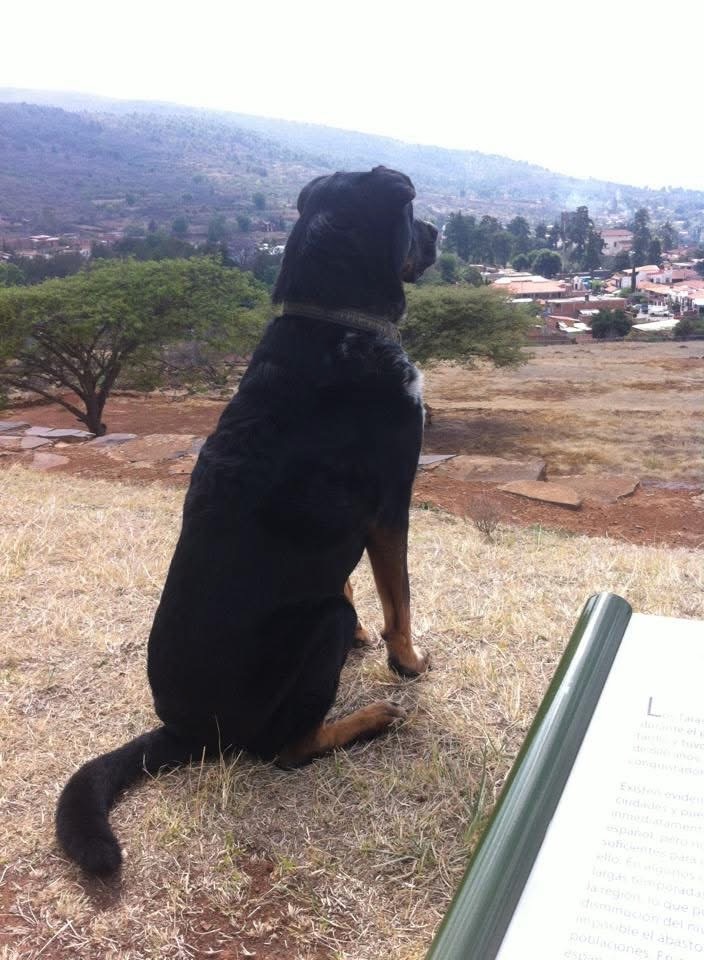
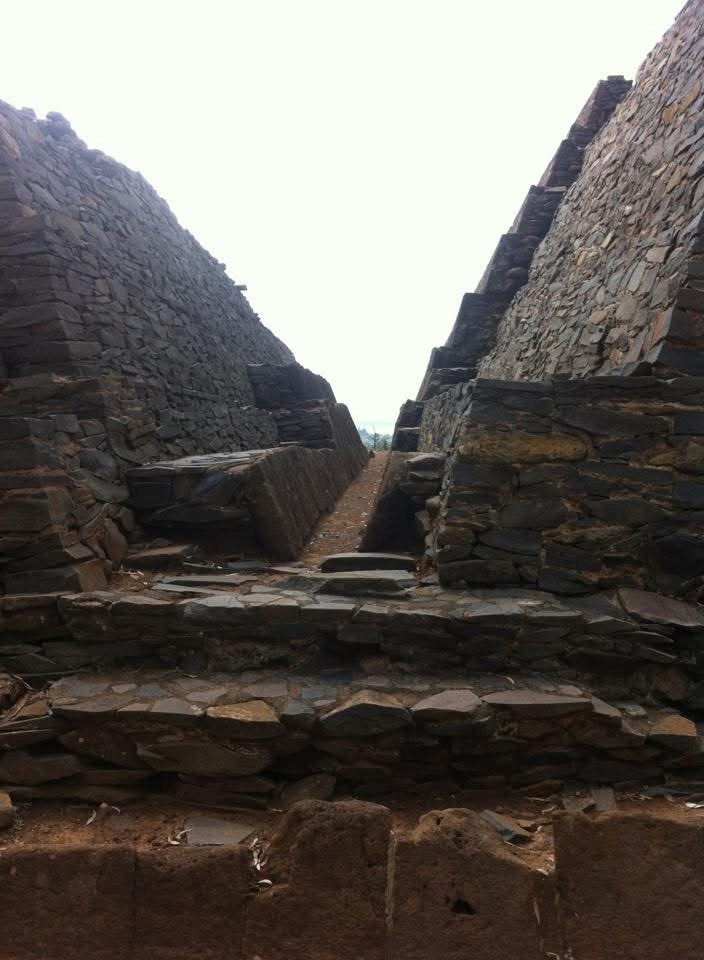

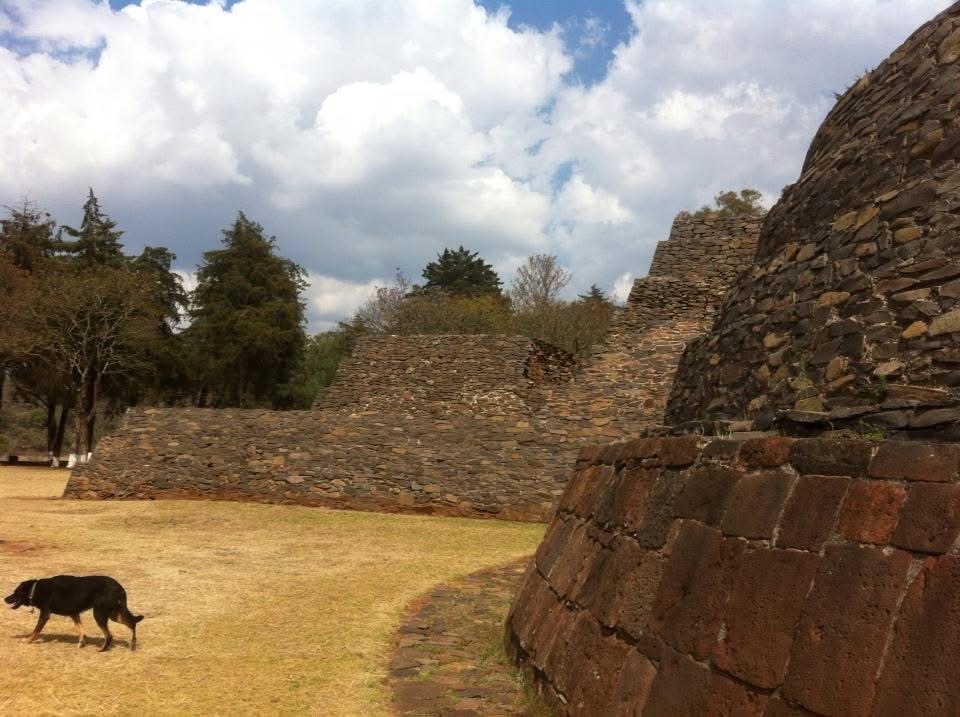


Day Trip 1: Pátzcuaro – Ruinas Tzintzuntzan/Templo de San Francisco
30 minute drive west
The Ruinas Tzintzuntzan, “Home of the Hummingbirds”, sit on the beautiful Lago de Pátzcuaro. The Pérepucha tribe arrived in the region in the 12th century and dominated the region until their conquest by the Spanish in the 1520s. Don Vasco de Quiroga settled at Tzintzuntzan, making it the first capital city of the area before relocating to Pátzcuaro in 1539. While there, he oversaw the building of the Templo de San Francisco, the Church of La Soledad, and the Cloister area, which he built upon the temples. This was my first of many ruinas, and while not as impressive a Tikal or Palenque, it was a sweet introduction.
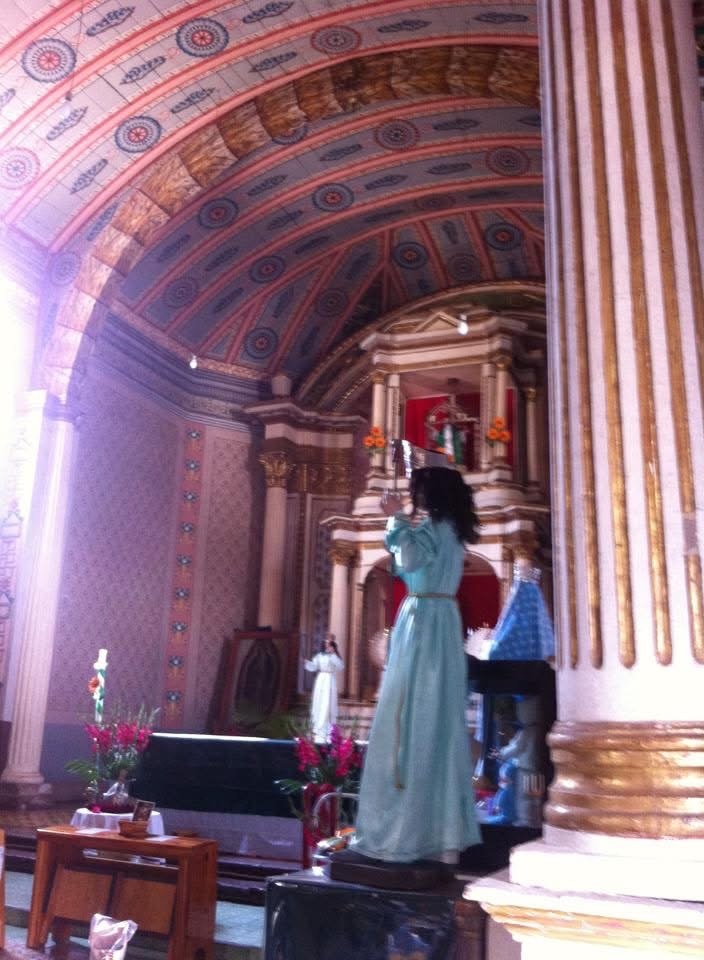
Templo de San Francisco

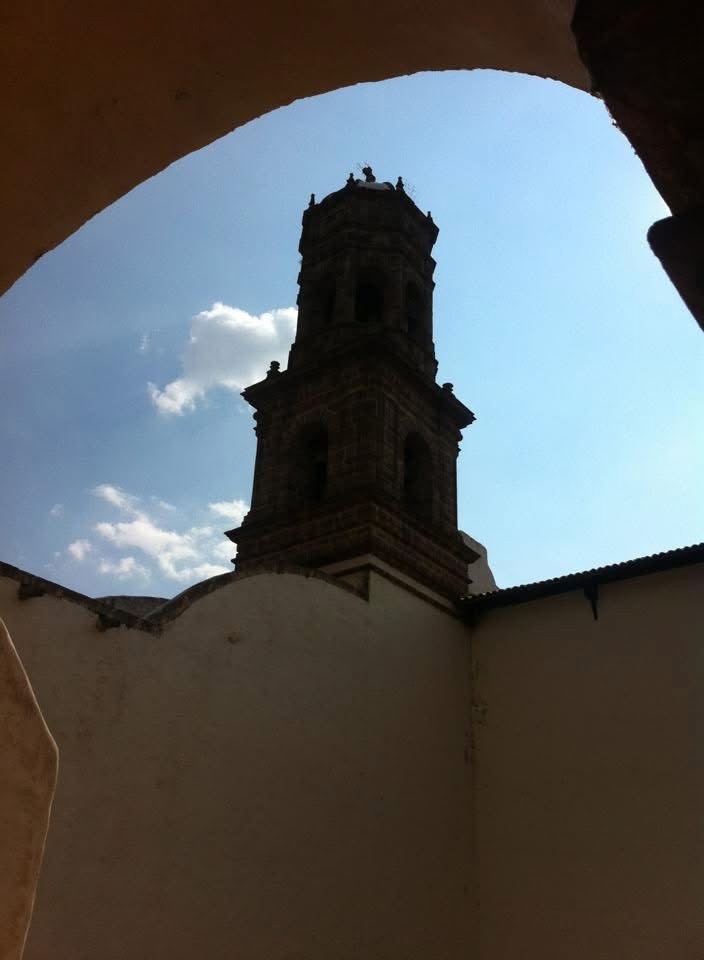






Uruapan – Parque Nacional Barranca del Cupatitzio
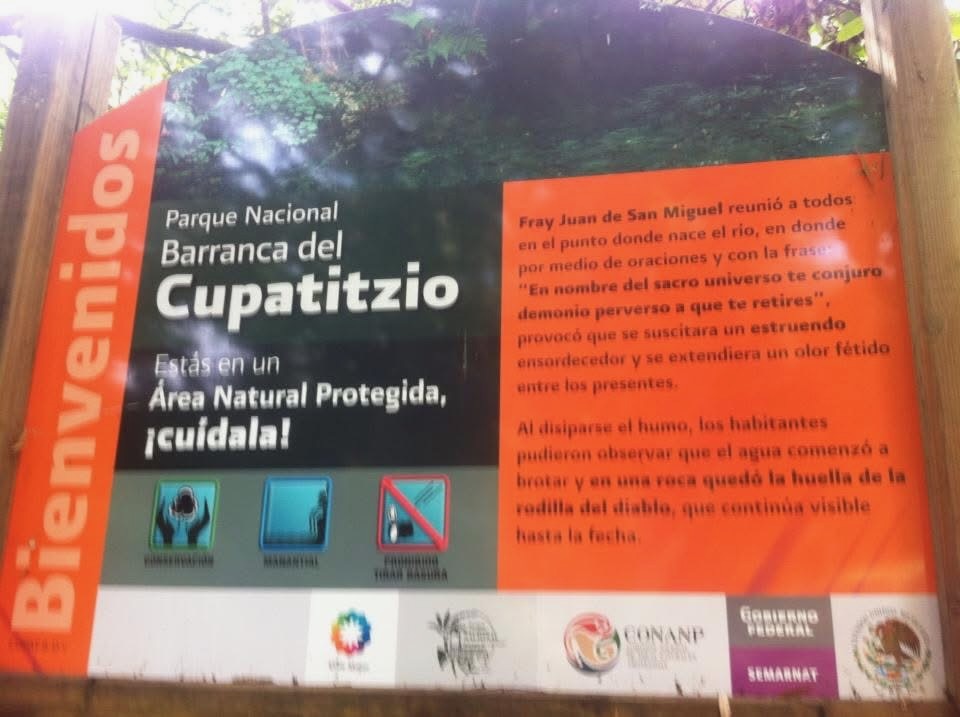











Day Trip 2: Pátzcuaro – Uruapan & Parque Nacional Barranca del Cupatitzio
1 hour drive, Cuota MX$121.00
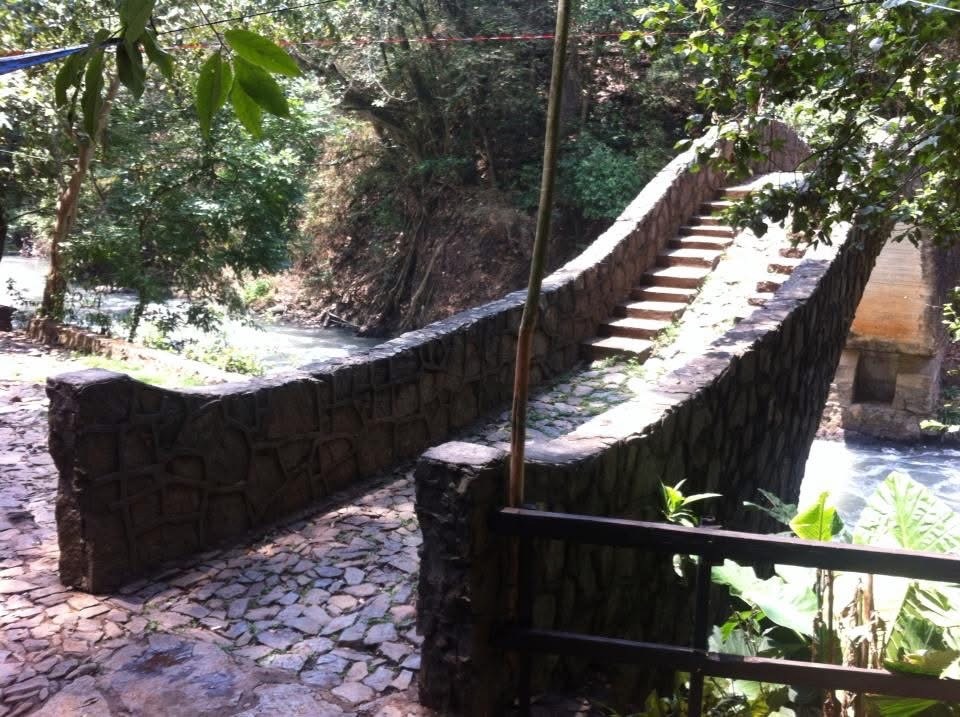
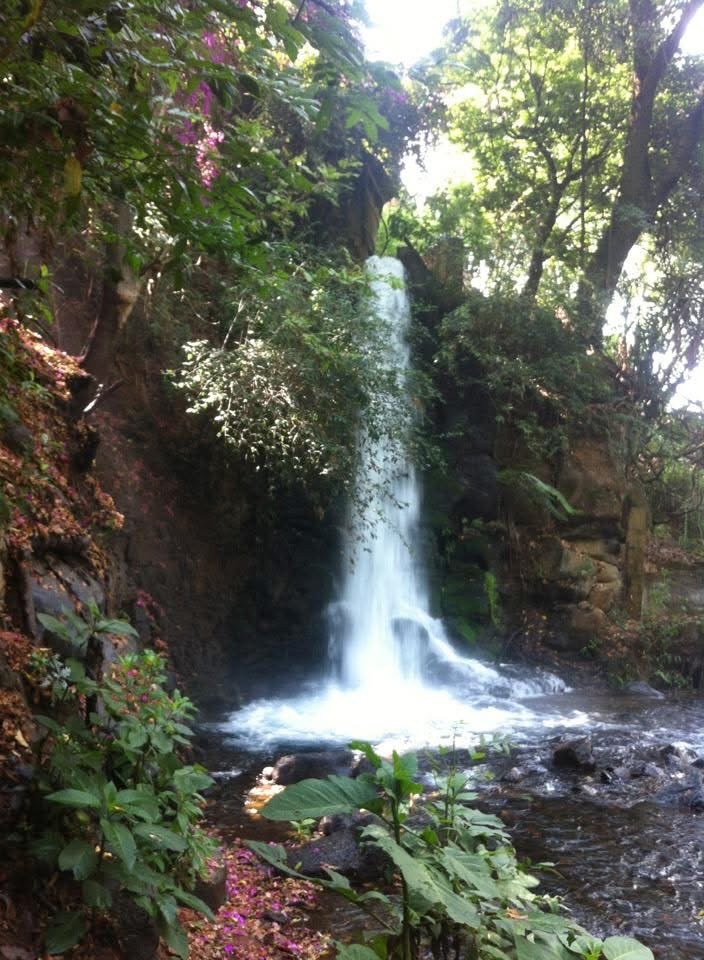
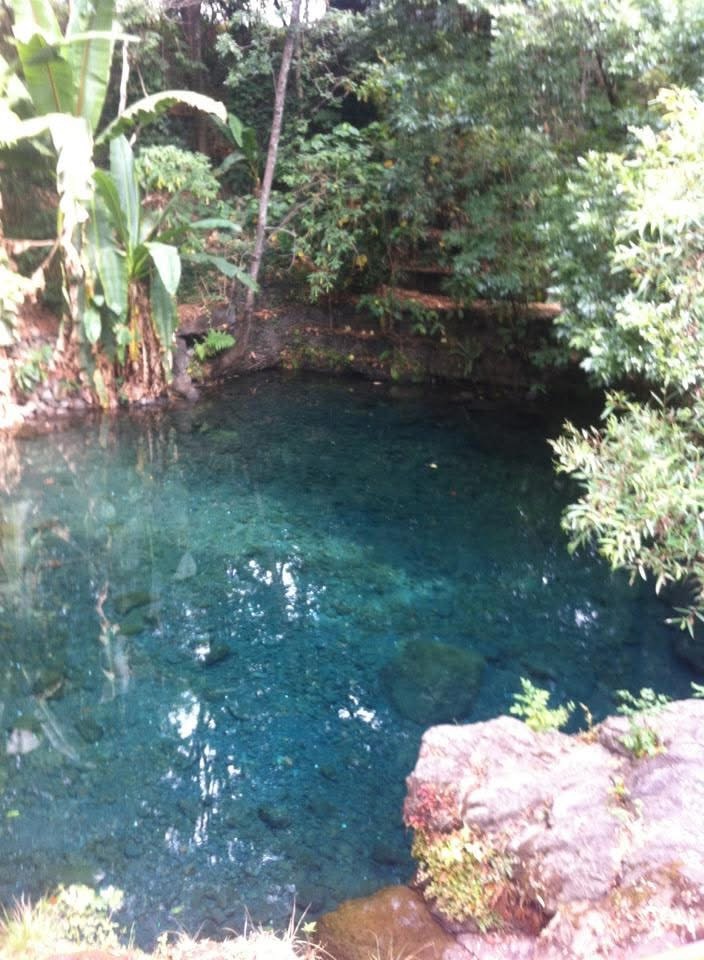
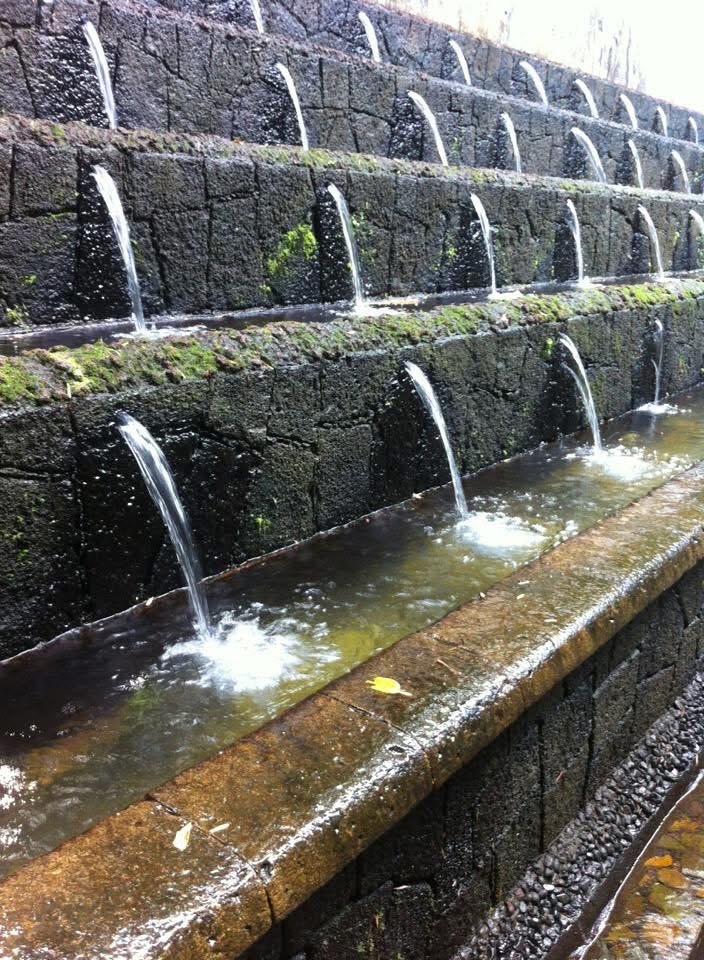
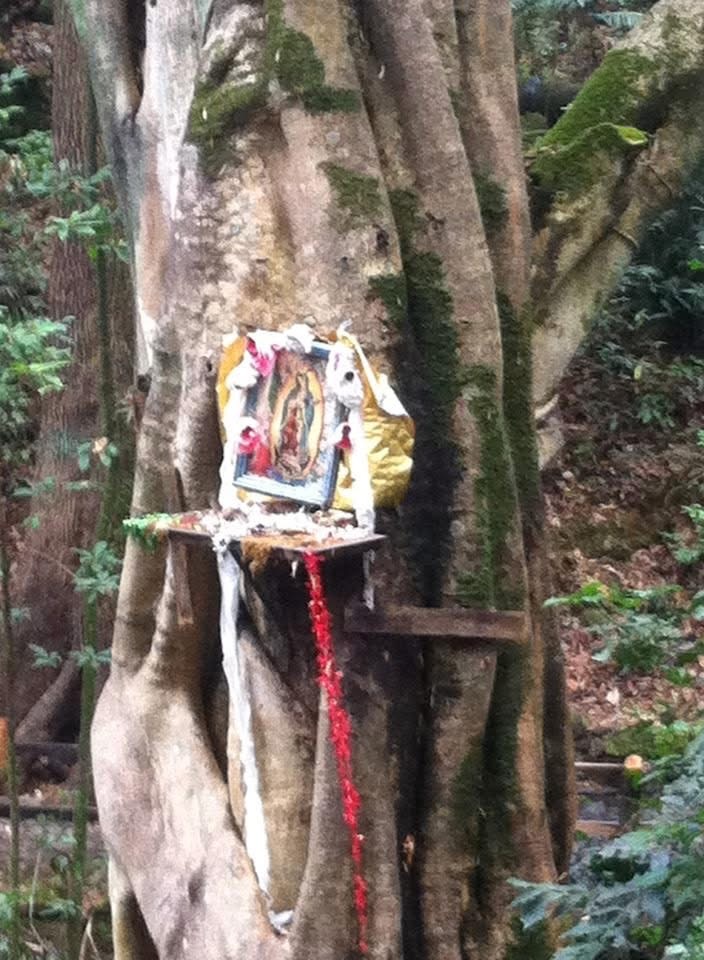
Uruapan, a town of nearly 356,000 people, sits on the western edge of the Pérepucha Highlands. It was conquered by the Spanish in 1522 and the city was established in 1533. It is the center of Mexico’s avocado growing region. I was a bit overwhelmed when I drove into El Centro, and I was a bit intimidated by the size of the city and worried about safely parking my Odyssey with all my valuable possessions. As usual, my nose let me to the most wonderful part of the city, Parque Nacional Barranca del Cupatitzio. In 1938 the area was bought by the Mexican government and declared a federally protected area. This park, including nearly 50 acres within Uruapan city proper, is the second most visited park in Mexico. It is the home of the Cupatitzio River headlands. The ravine, which is fed by various springs and streams, starting with the Rodialla del Diablo (Devil’s knee), is a paradise of waterfalls, bridges, fountains, lush greenery, and miles of walking trails. In the Pérepucha language, Cupatitzio translates to “River that Sings.” Luna and I explored the park for hours. After so many deserts, cacti, an miles of unobstructed beach, we were in Oregon-like heaven and it did make me want to sing!
Morelia











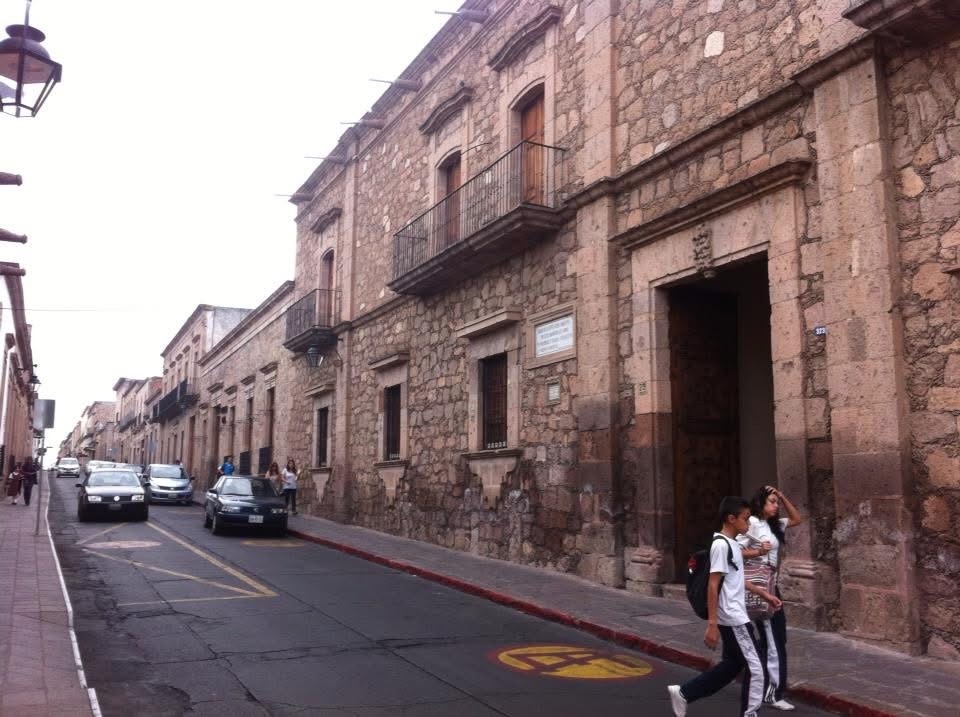
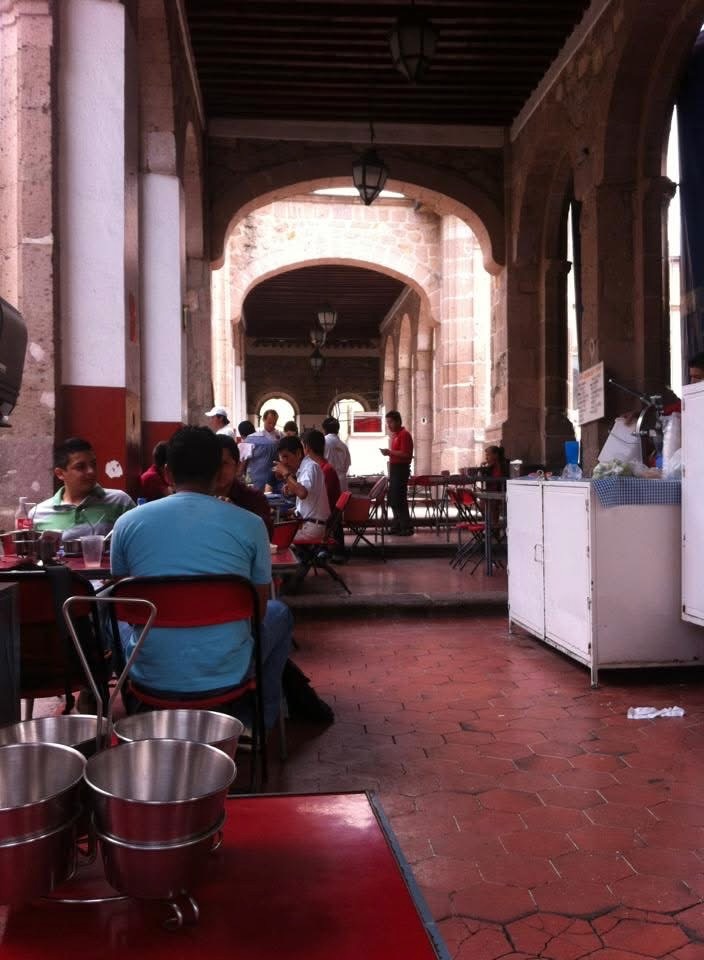
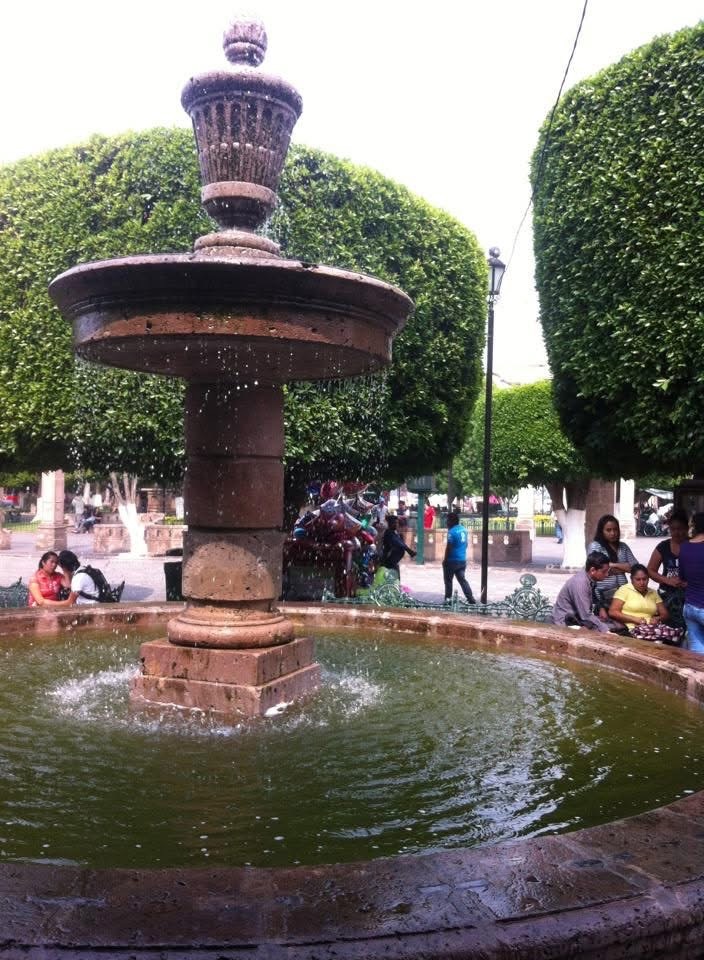
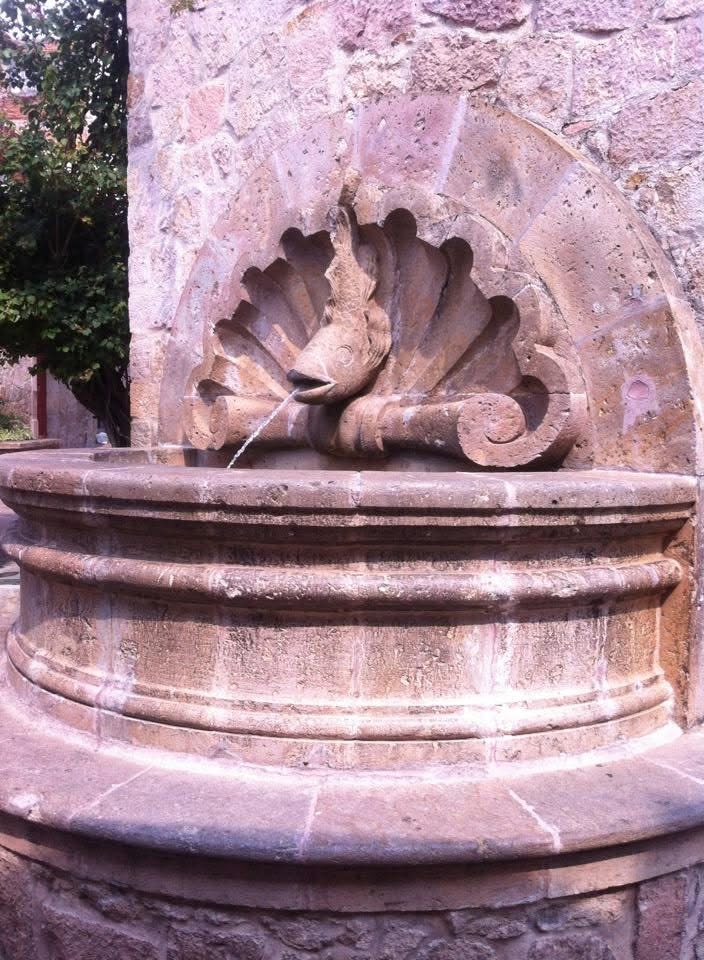


Day Trip 2: Pátzcuaro – Morelia
1 hour drive east, Cuota MX$76.00
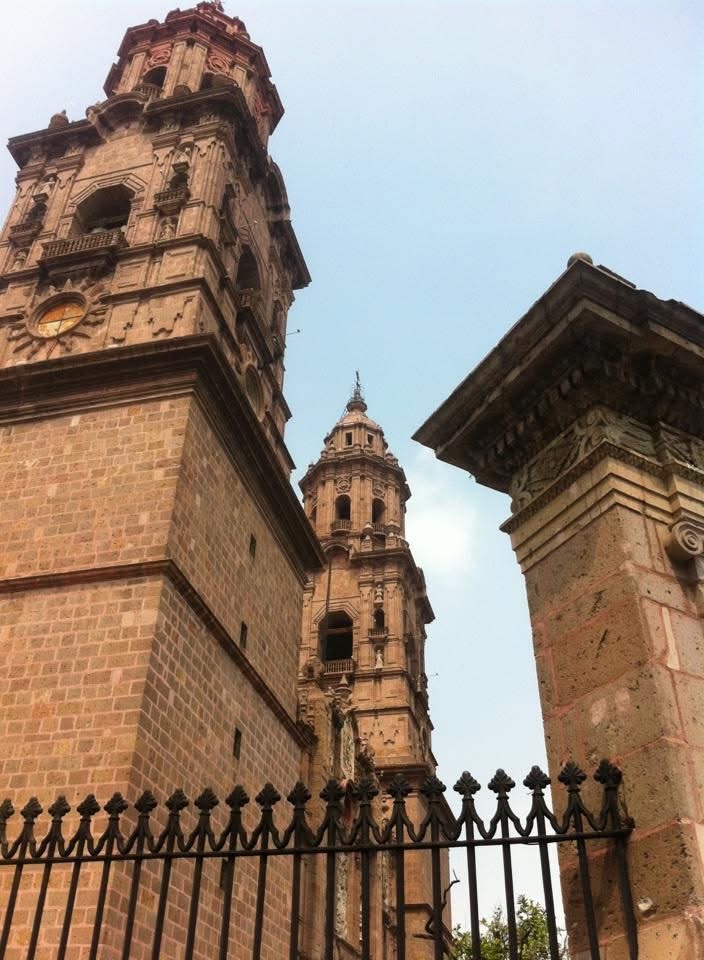
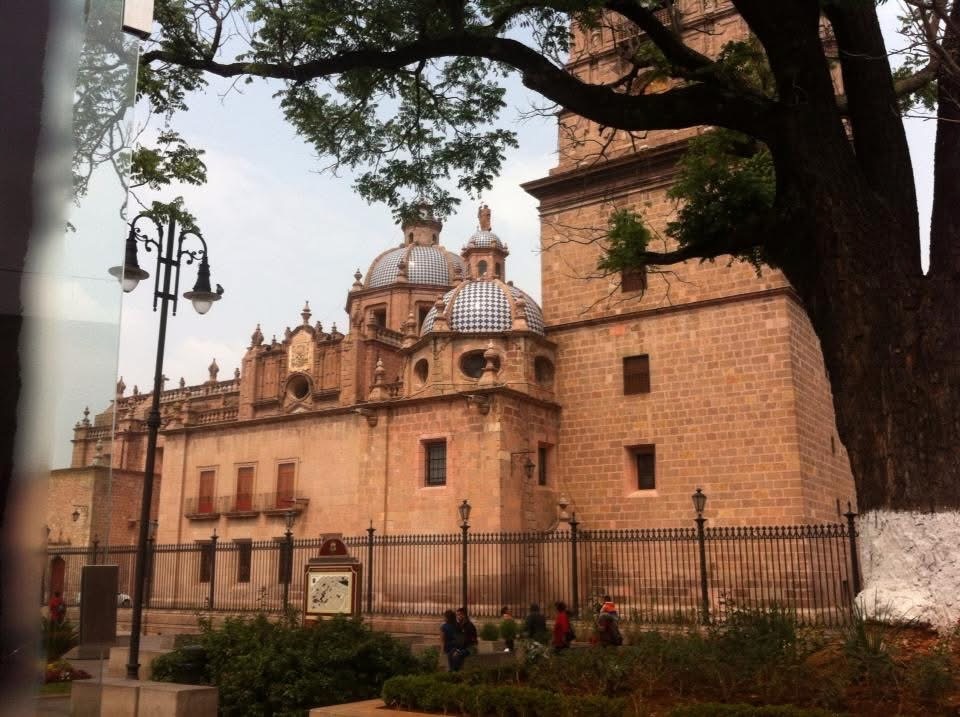
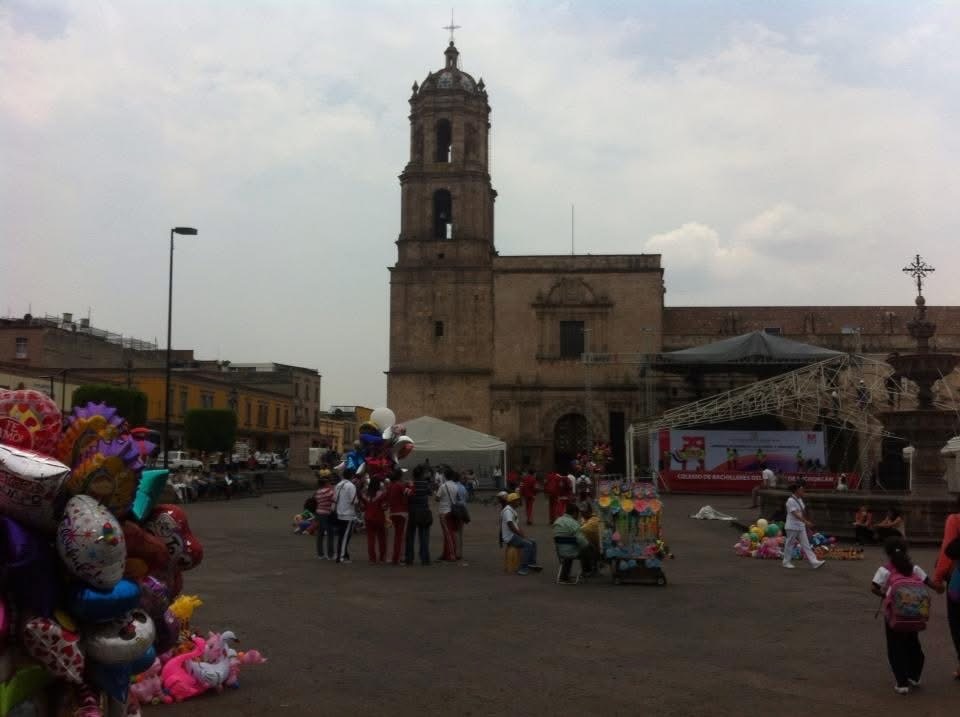
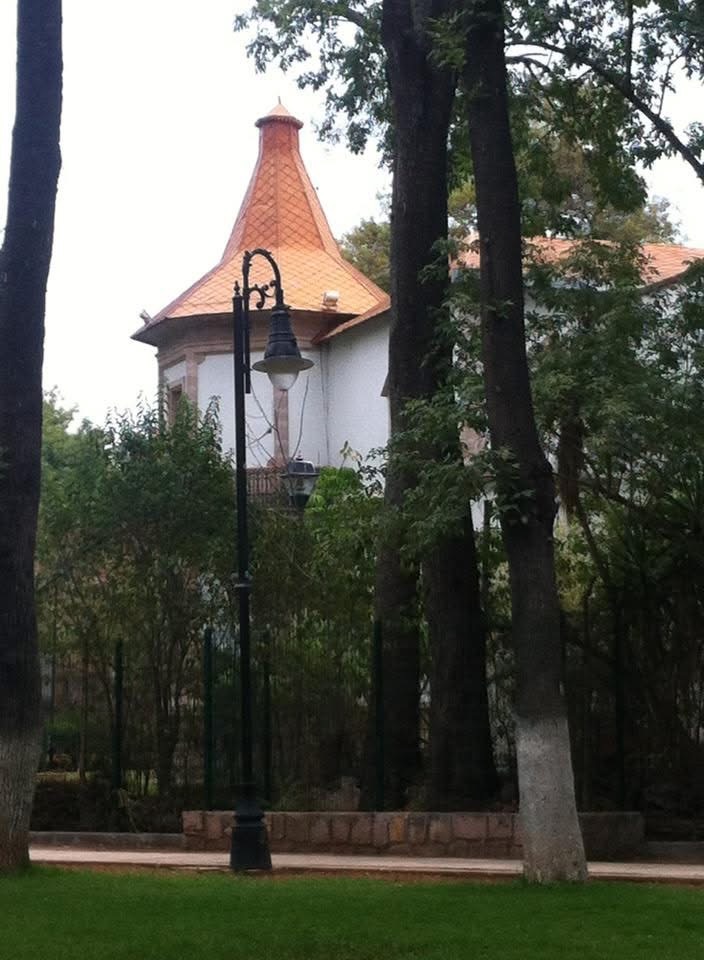
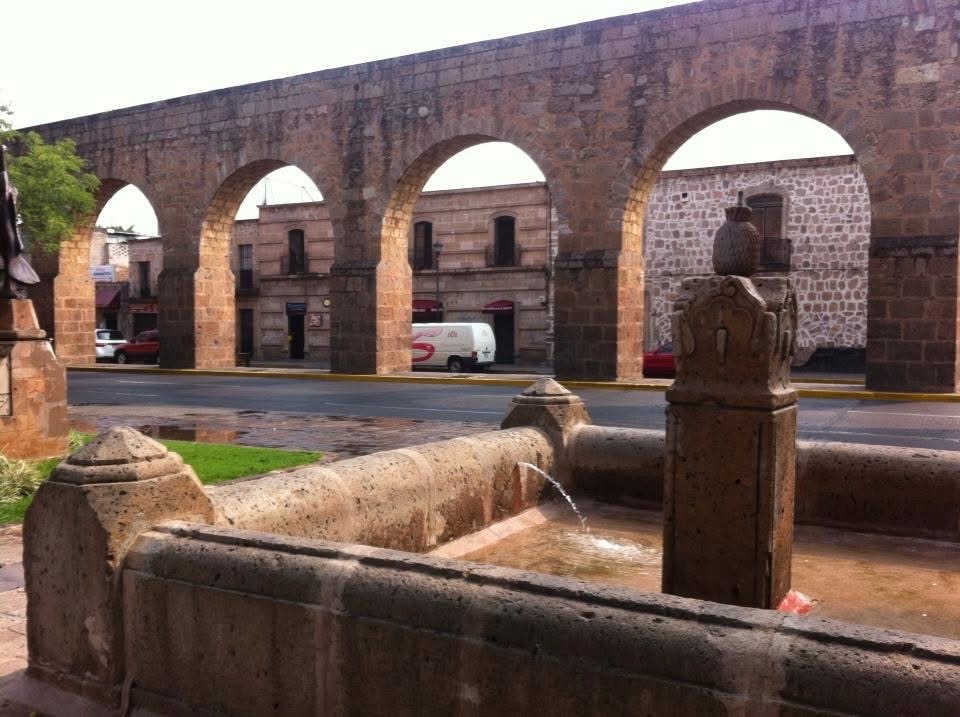
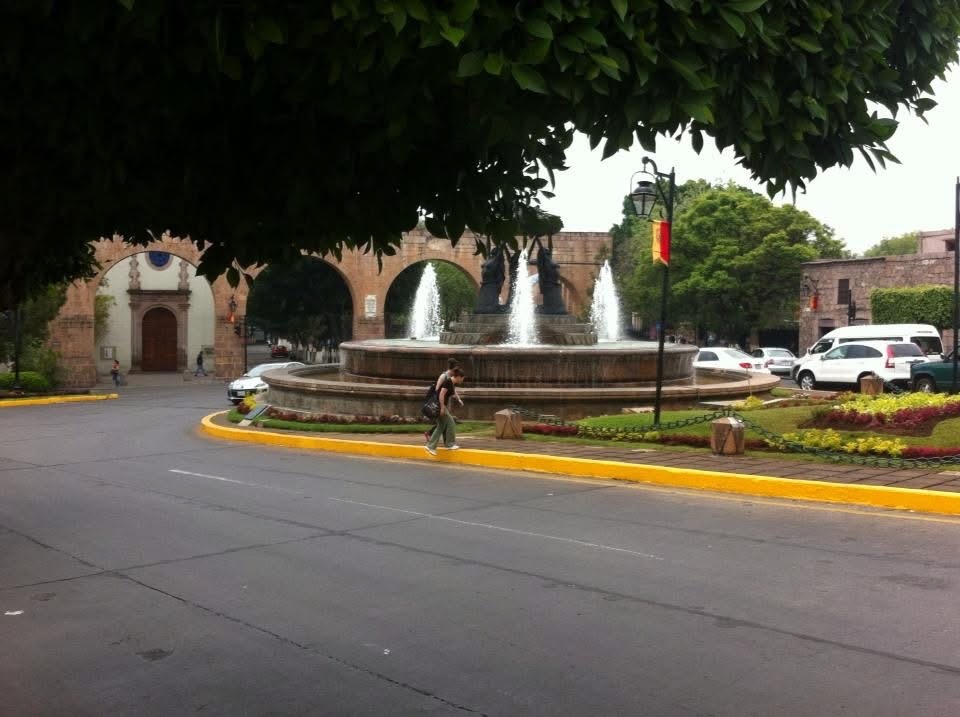
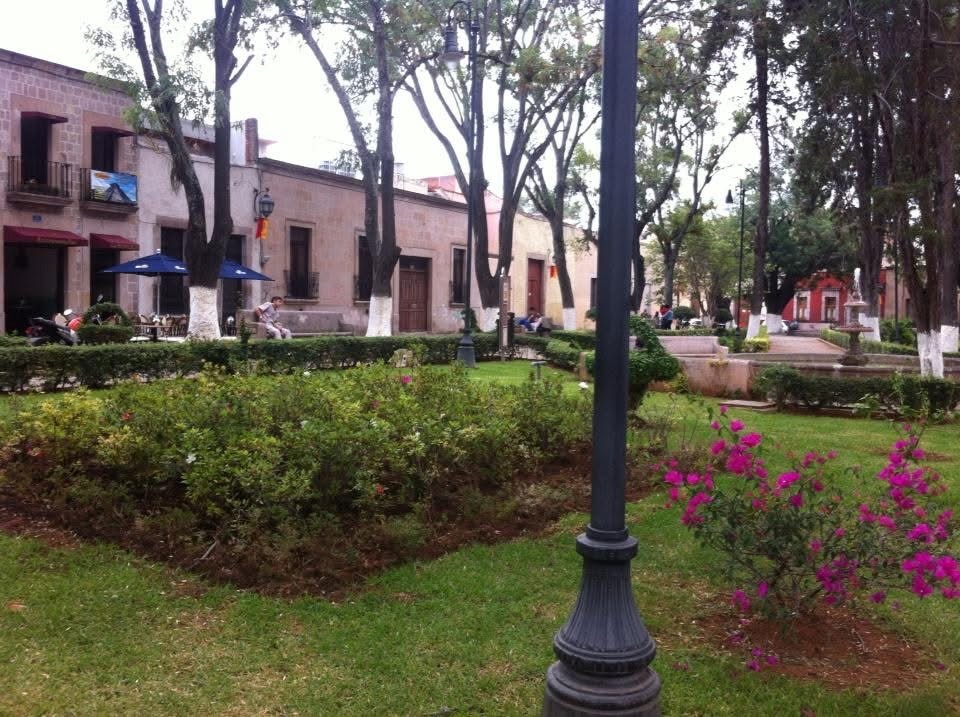
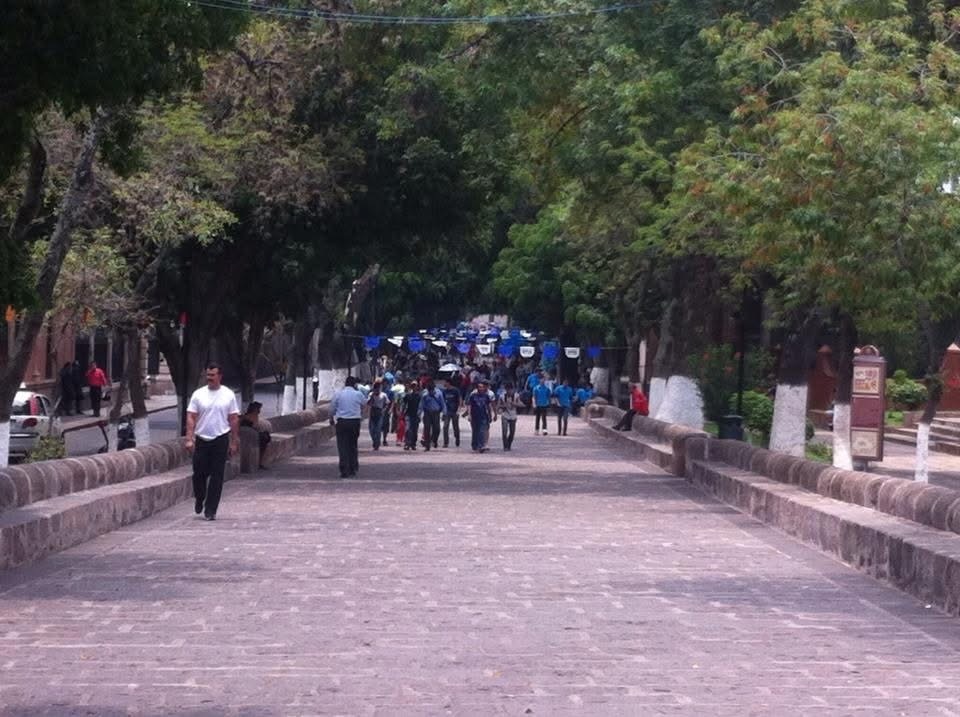
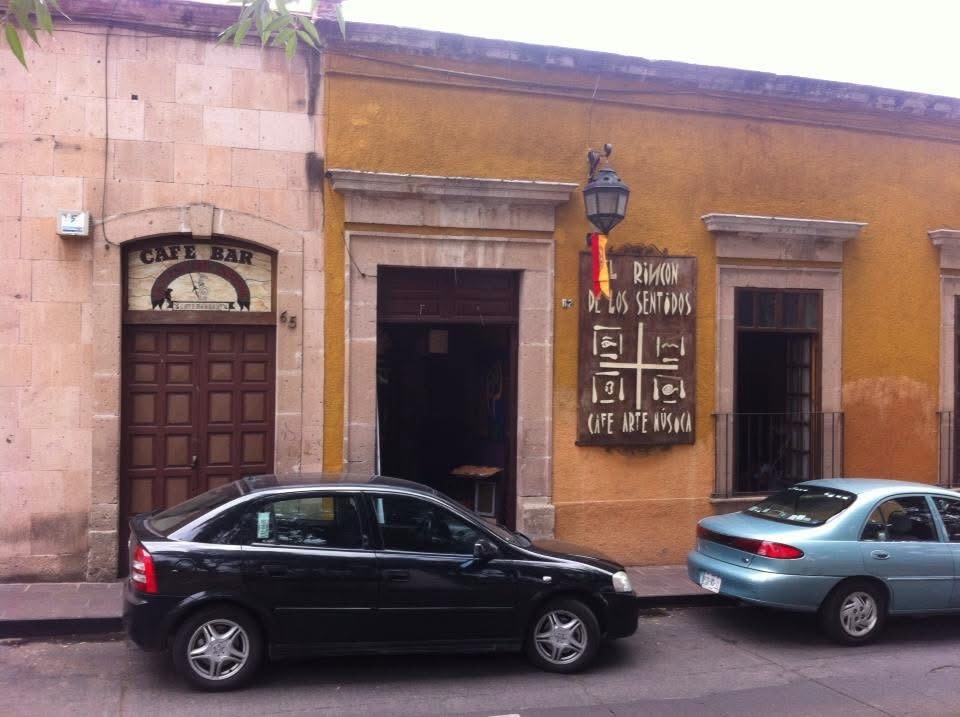
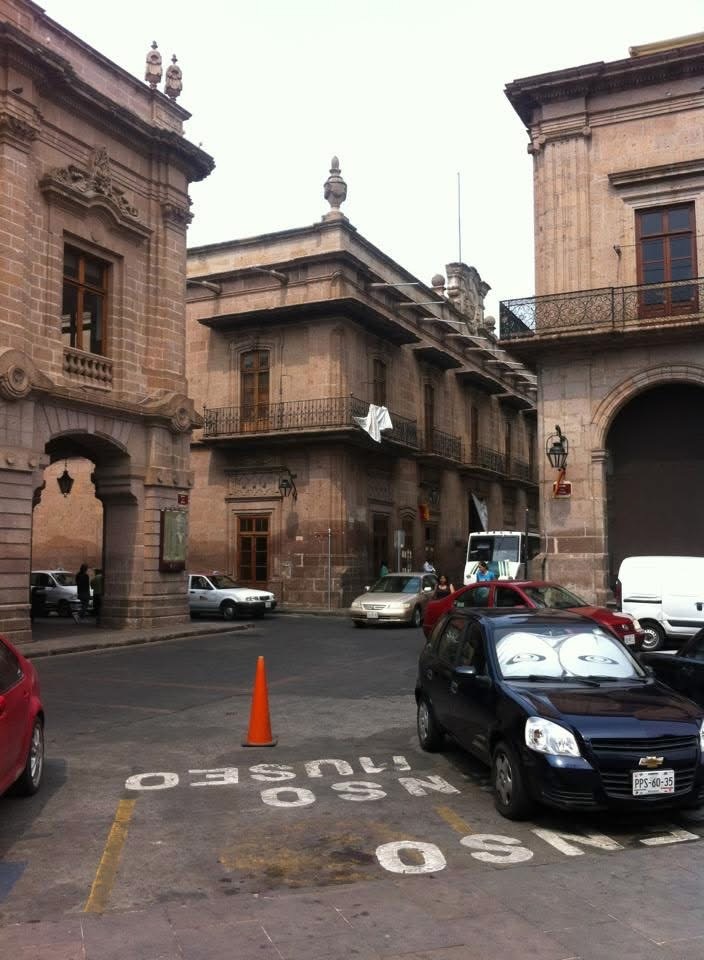
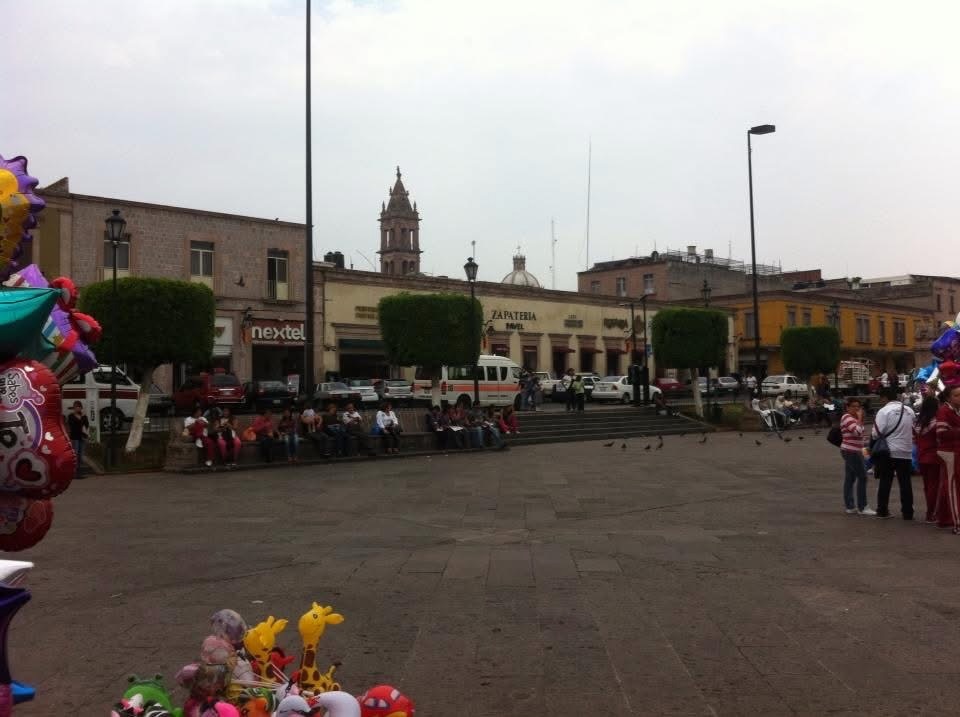
Our final day trip was Morelia, the governmental seat of the Morelia municipality (county). It was invaded by the Spanish in the 1520s and the town was founded in 1541. It is a large city of grand boulevards, incredible architectural sites, and the home to the amazing aqueduct, built in 1549. Closed in 1910, much of the aqueduct still stands, including 253 arches. Morelia is a university town, home of Universidad Michoacana de San Nicolás de Hildago and nearly 800,000 inhabitants. It was declared an UNESCO Heritage Site in 1991.
Sadly, Montezuma decided to exact his revenge, once again, and I was tight-cheeking it back to Pátzcuaro sooner than I liked. This is one city that I should have hunkered down and explored for the better part of a week. It is majestic and beautiful and filled with incredible sites and sounds and food…

I did find a bookstore that had a small shelf of used English-language books. This would not have been my first choice, but bibliophiles can’t always be choosy.
 Sheila Moon