Stage 10: Bahia de Kino to Álamos Sonora, Mexico
May 4-6, 2013
5 hours, Cuota MX $370
On a whim, and because my next stop would be in Sinaloa State if I didn’t take the detour, I headed east to Álamos, Sonora, my first Pueblo Mágico. Why was I nervous about Sinaloa State? At that time the cartel activity was pretty rampant in the area. Even I had heard of the Sinaloa Cartel and I wasn’t keen to be caught up in the activity. Back then I didn’t know that for the most part the cartels don’t bother American citizens, especially poor people in beat up old mom-vans. I often tell people, as long as you aren’t stumbling out of a bar drunk at 2:00 a.m. and stumbling down back alleys looking for drugs and/or whores, you will probably be fine. I have since learned that cartel violence often roams – ie: it will flare in a particular area or city for a while then it will cool off and flare in another location. Also, I had heard about Mexico’s Pueblo Mágico designation and I was eager to experience one for myself. So, I left the Mexico 15D at Navojoa and headed east on highway 13 for 45 minutes and was greeted by the sweetest wee pueblo!
“The problem with being an early bird – I had to wander around the city for more than two hours waiting for the café to open so I could get my morning coffee.” My life story, and why I always travel with my own personal coffee station. In truth, there are worse problems to have. I love wandering new towns, watching them wake up, greeting the women out sweeping the sidewalks and setting up their shops for the day. I always feel like I’m seeing the real town and the real people.


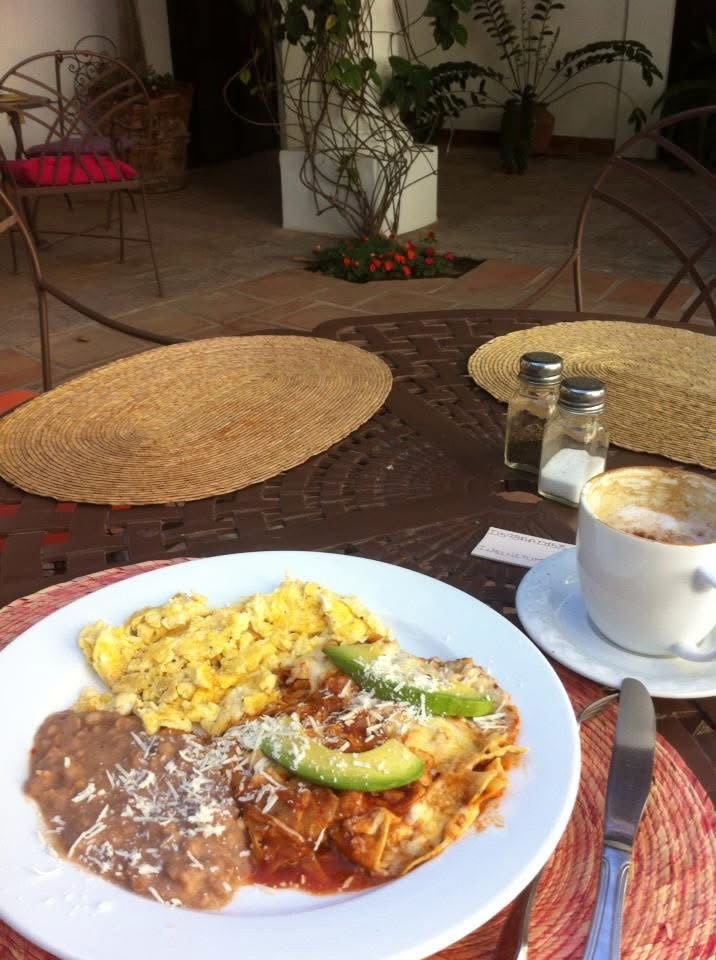
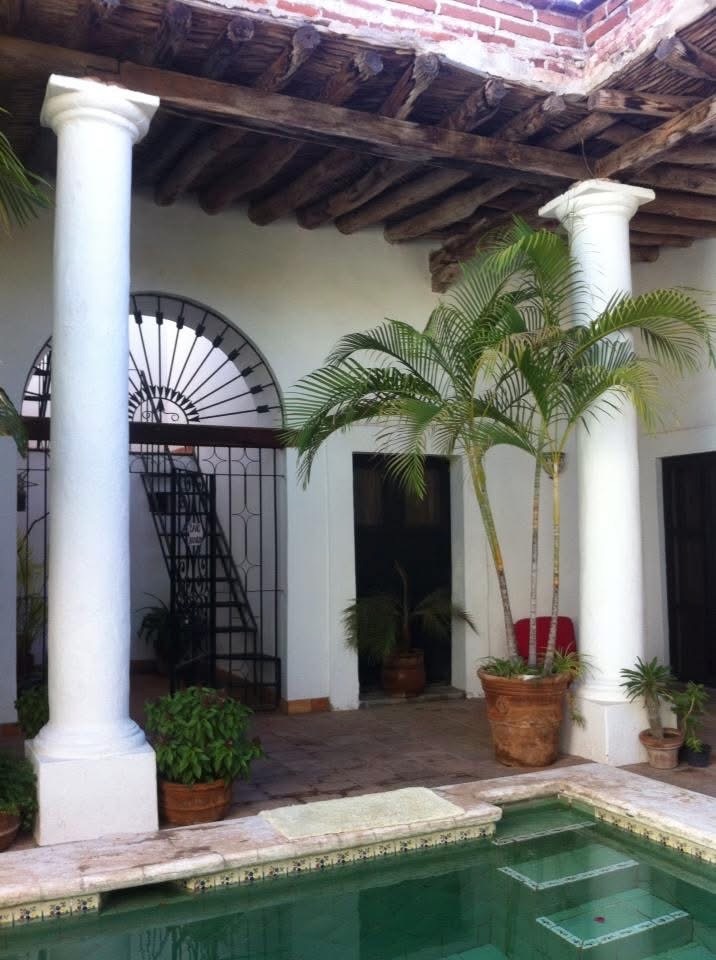
Of course, those long adventures were always followed by a delicious breakfast, and if I was lucky, my favorite – a cappuccino doble! I discovered El Restaurante Luz del Sol on my first morning in Álamos. It was a delightful oasis in a hot and dusty pueblo. My first morning I ate my first Mexican huevos rancheros, in Mexico. The second morning I opted for chilaquiles verdes. Both mornings I left with a full belly, a fully caffeinated brain, and an overwhelming sense of well-being.

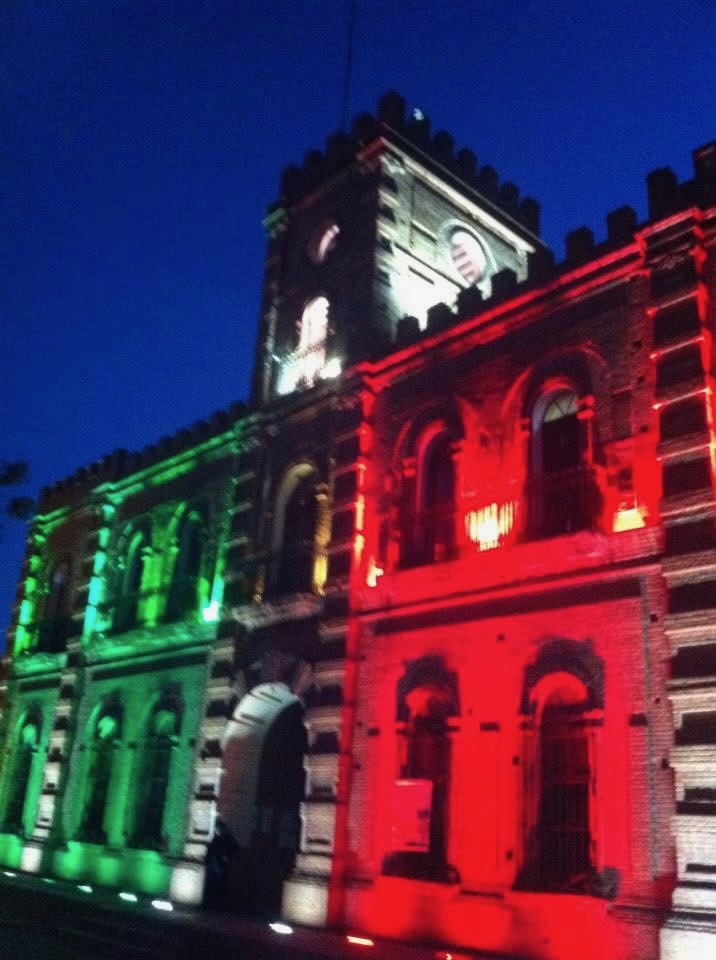

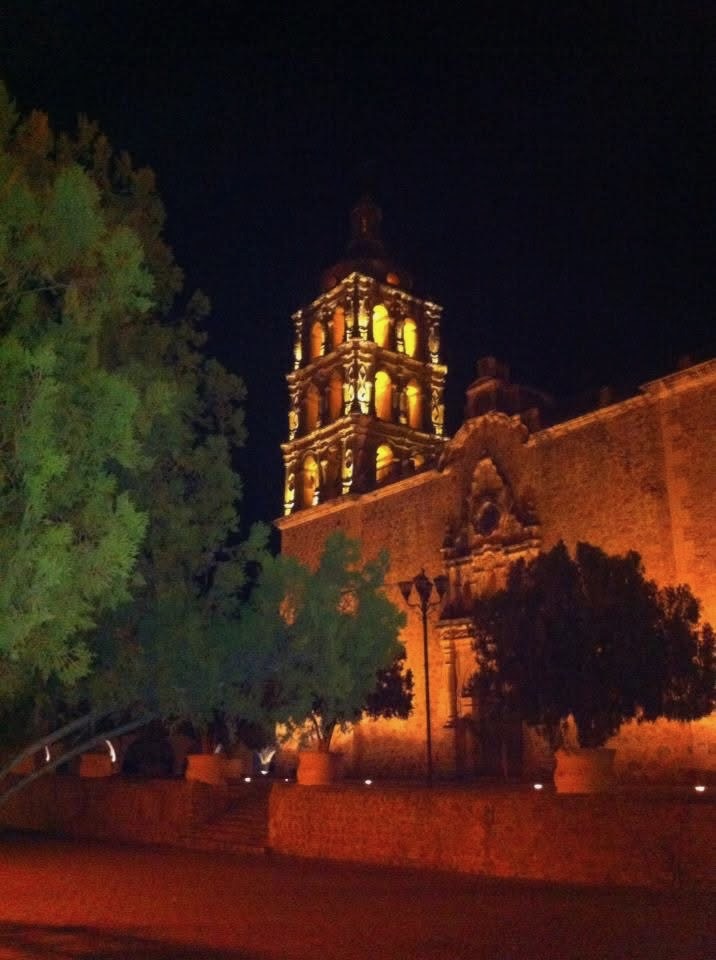


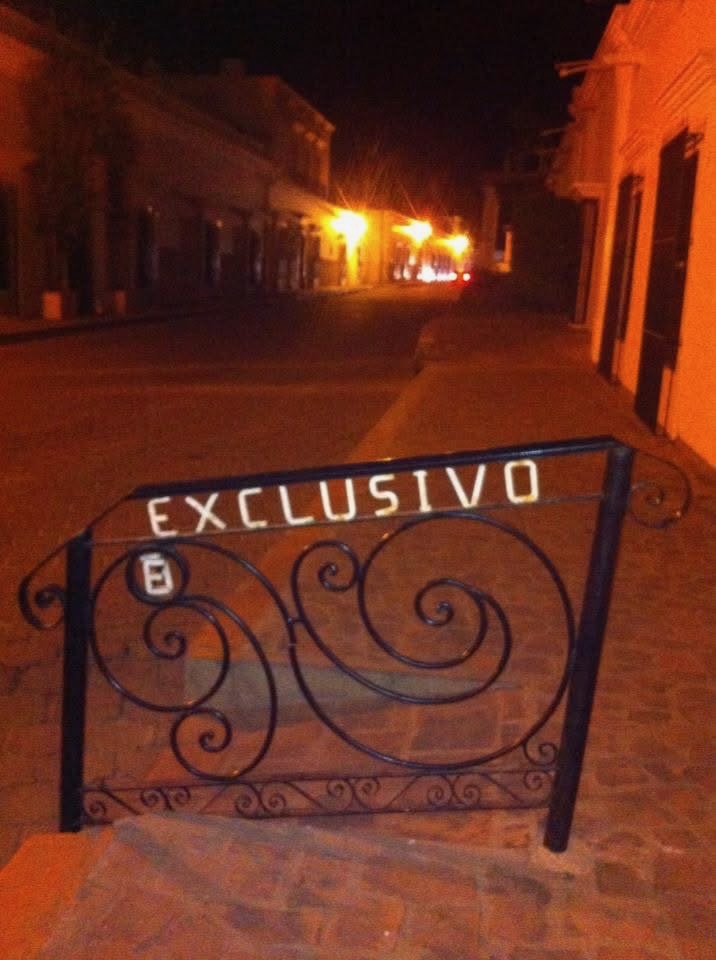


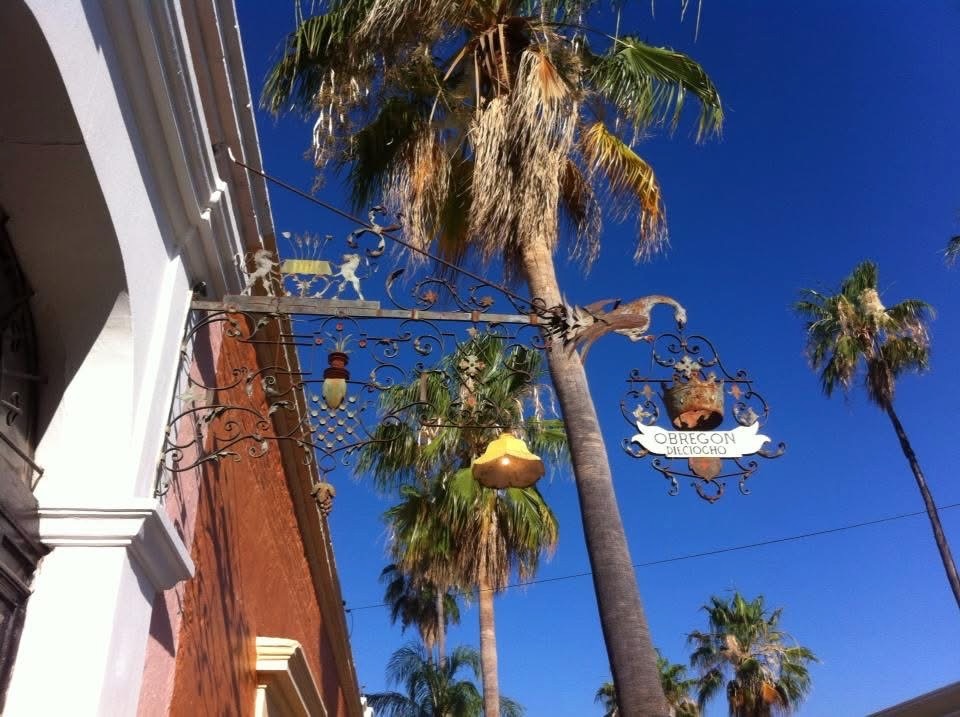


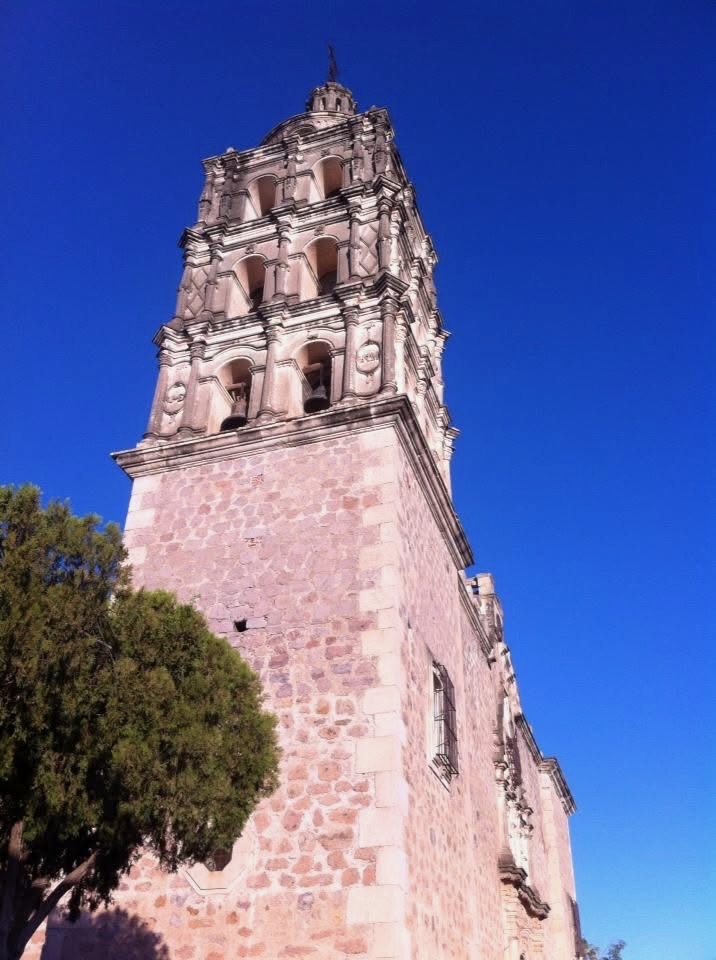
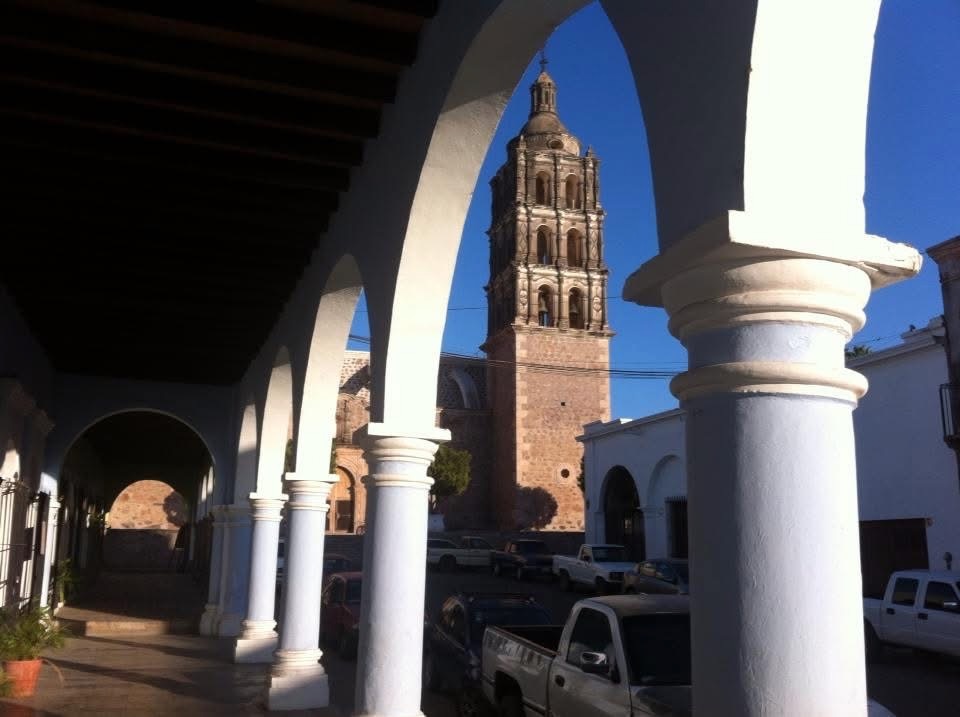
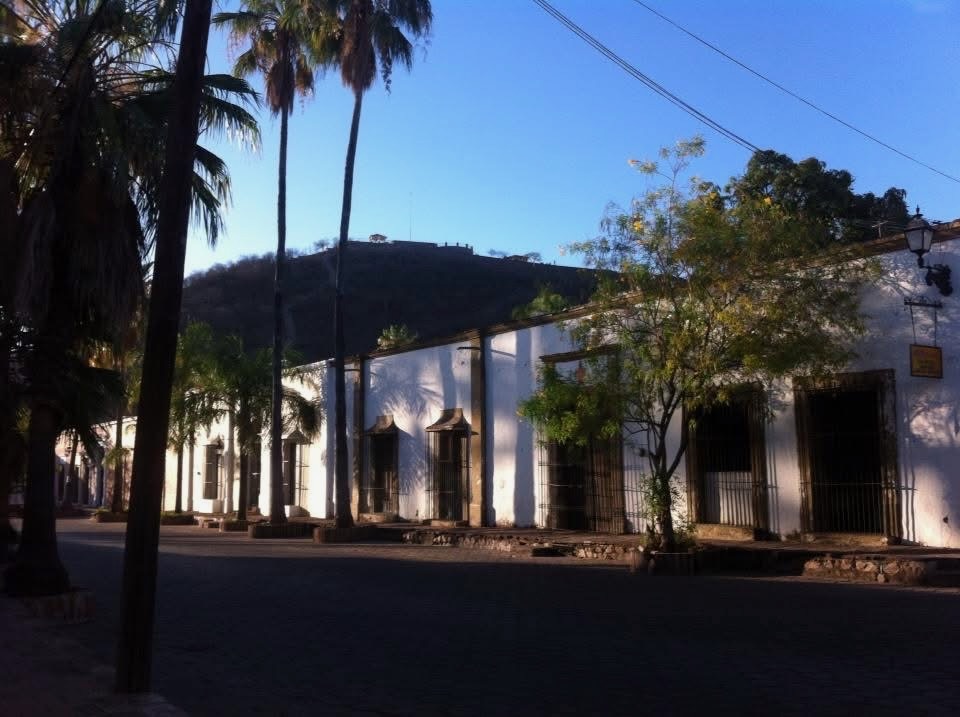

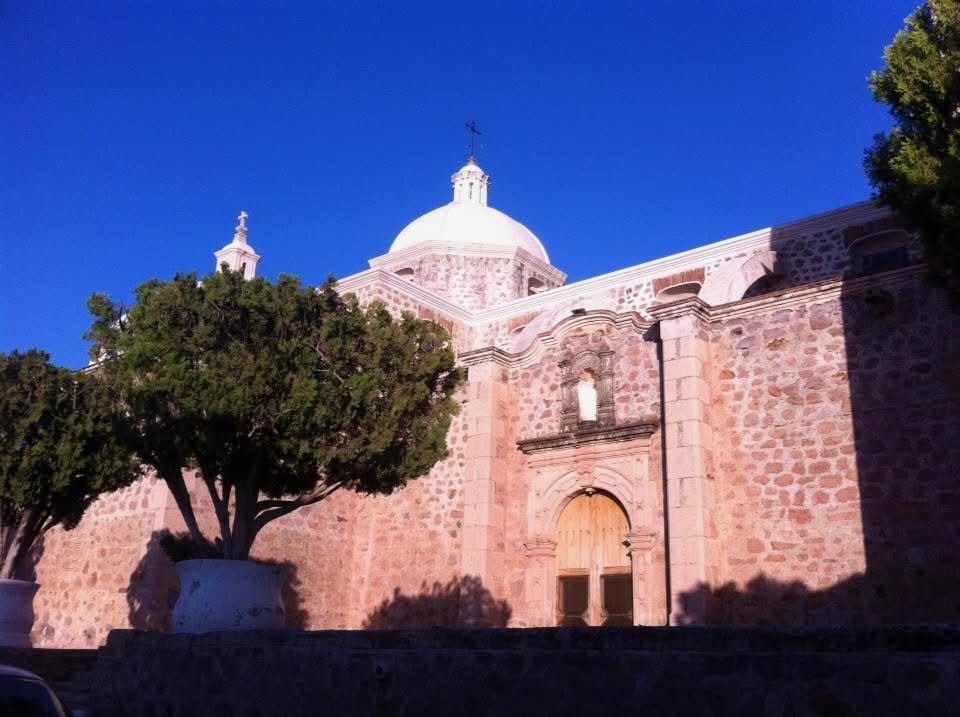
Luna and I spent most of our time wandering the town, checking out the sites such as El Mirador that afforded an amazing view of the town and beyond, the lovely Plaza de Armas, we learned that if you buy bottled beer from a Cerveceria you pay a deposit, and we discovered that they do celebrate Cinco de Mayo in Mexico!


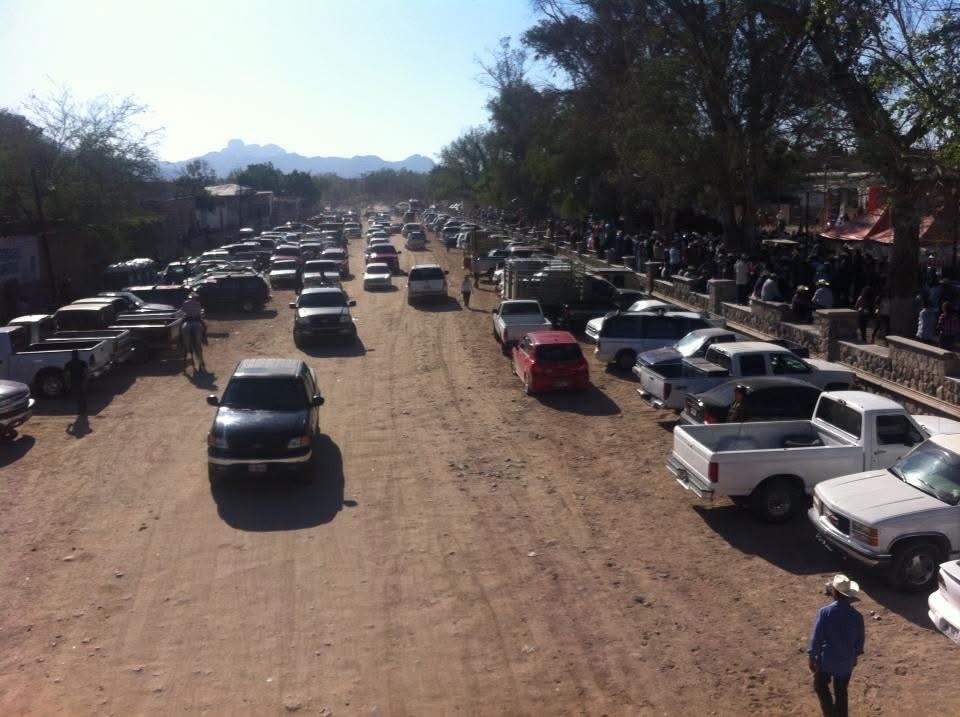


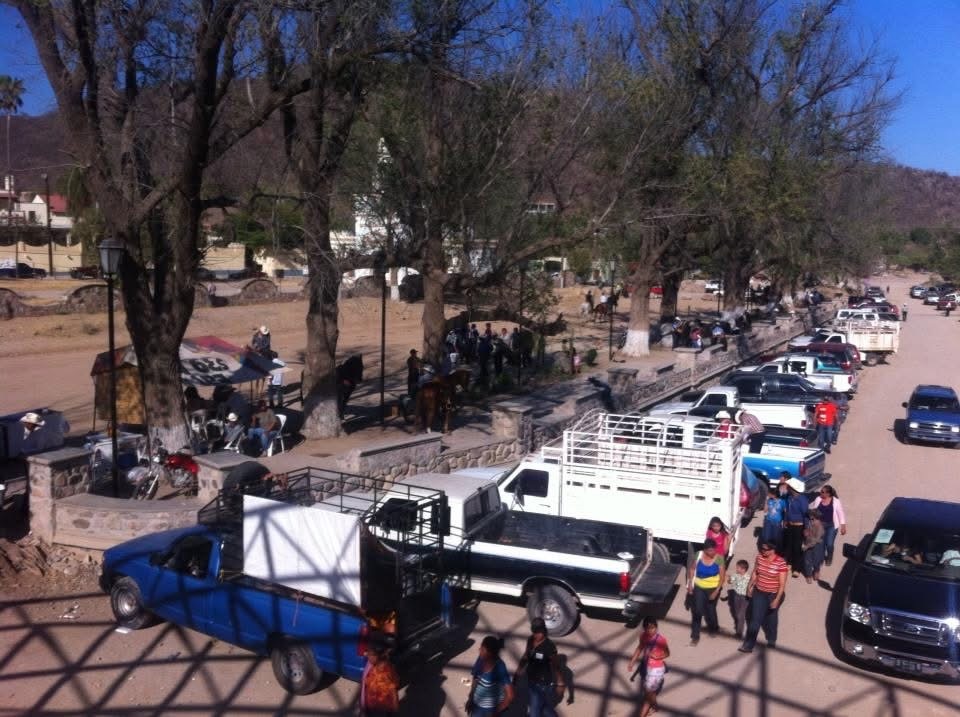
Contrary to popular belief, there are some Mexican towns outside Puebla that celebrate Cinco de Mayo. Cinco de Mayo is an annual celebration held on May 5 to celebrate Mexico’s victory over the Second French Empire at the Battle of Puebla in 1862, led by General Ignacio Zaragoza. Much to my surprise, a lively fiesta was brewing in the arroyo below town, complete with dancing horses, dueling norteño bands, and copious amounts of food and booze. Judging by the number of men sleeping it off on the sidewalks the following morning the fiesta was a huge success!
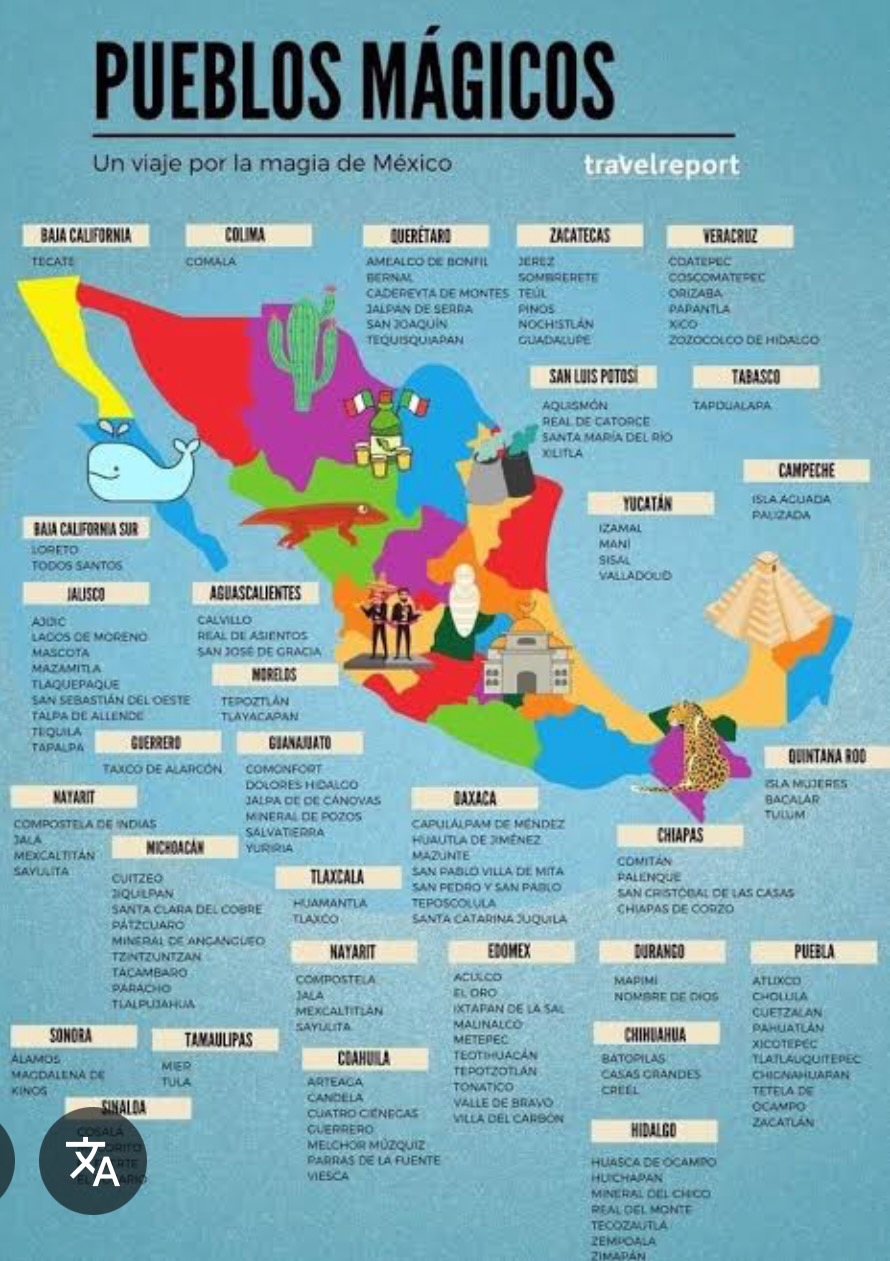
Pueblos Mágicos
In 2001, Mexico implemented the Pueblo Mágico designation. It was designed to promote a series of towns around the country that offer visitors “cultural richness, historical relevance, cuisine, art crafts, and great hospitality”. It is intended to increase tourism to more localities, especially smaller towns in rural areas. There are currently 132 Pueblos Mágicos, I have visited a fair number of these towns and I have never been disappointed. They seem to encompass what us gringos think of as Old Mexico. They are beautiful, charming, and clean. If the town does not keep up with strict cleanliness standards they could lose their Pueblo Mágico status. In fact, my wee “po-dunk Mexico” pueblo of Todos Santos is a Pueblo Mágico. When planning a trip to Mexico that could be a good place to begin. You can learn more about Pueblos Mágicos here.
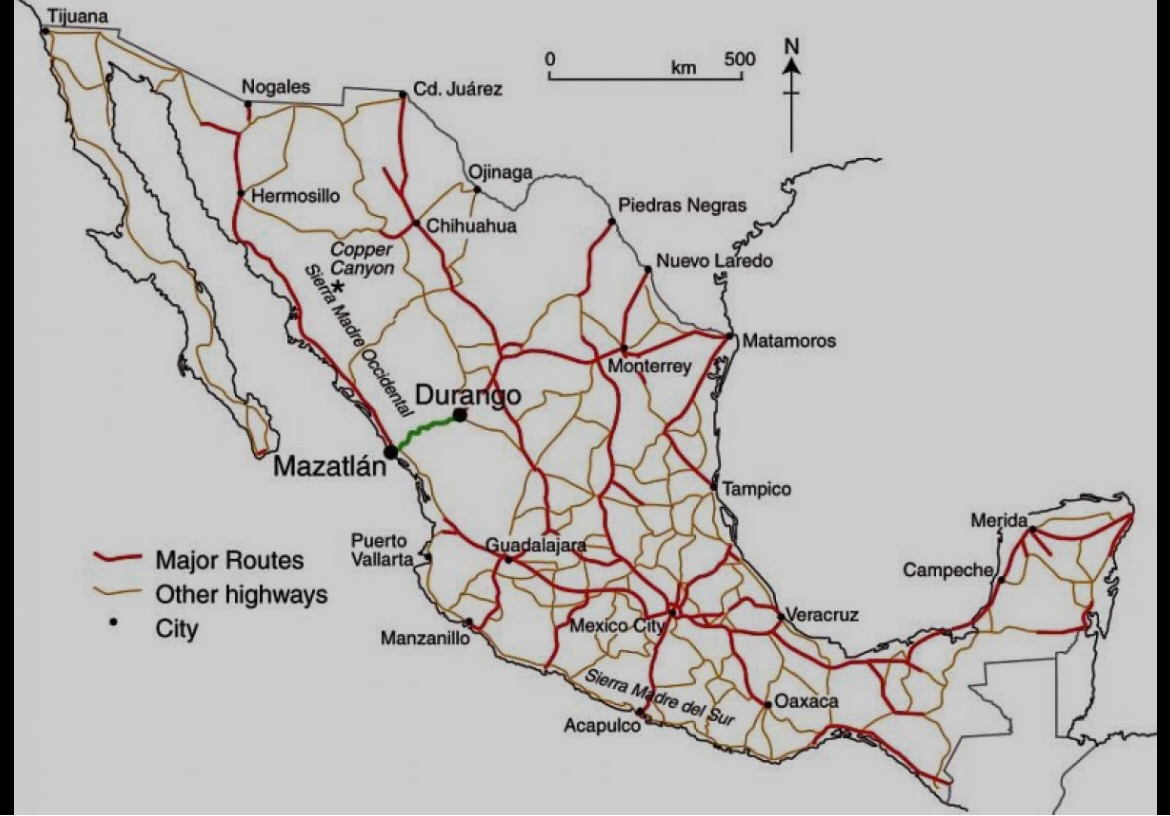
Cuotas aka Autopistas aka Toll Highways
Mexico has an incredible series of Cuotas, or toll highways. Cuota’s are designated on maps with a “D” after the highway number. In my experience, the cuotas are well maintained, have generous shoulders, are dotted with rest stops featuring a gas station, an OXXO (Mexican 7-11), and often a very good restaurant. While the cuotas can get expensive if traveling long distances, I found it was the safest way to traverse the country. That said, in addition to the toll booth, they often have security check points with machine-gun armed federales. More often than not, a chat with a federale began with “donde vas? (Where are you going?), “donde vienes?” (where have you come from) and would devolve into, “are you married? Do you have kids? Why not?” At first I was completely intimidated and often forgot the answer to hello, but after a while I realized they were just curious about a single gringa traveling with naught but her faithful companion.
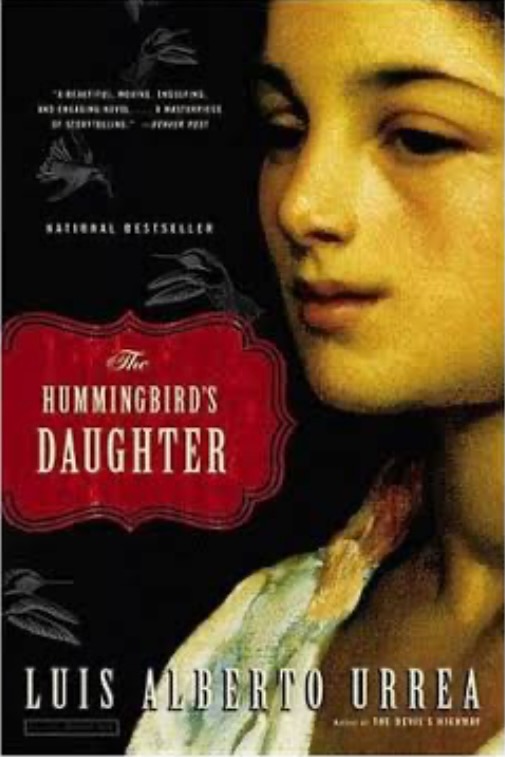
The Hummingbird’s Daughter
Alberto Luis Urrea is one of my favorite authors. He was born in Tijuana to a Mexican father and American Socialite mother, and lived much of his life in San Diego. His early work included the seminal The Devil’s Highway: A True Story. This book follows the brutal journey a group of men take to cross the Mexican border. In By the Lake of Sleeping Children, he writes extensively about the garbage pickers in Tijuana. His 2005 novel, The Hummingbird’s Daughter is a beautiful novel set in Álamos on the eve of the Mexican Civil War. I only wish I had known about, and read, this novel before visiting Álamos.
It was hard to say adiós to this beautiful town, but the beach was whispering my name!
 Sheila Moon